
Turning up the heat: Brits could unknowingly be upping energy costs by nearly £200 a month
- Brits are using heated clothing, electric blankets and portable heaters - but they might cost more than you think
- Experts urge users to consider switching to a fixed deal to avoid the highest prices
Millions of Brits are relying on alternative ways to keep warm this winter, but new research from Go.Compare reveals that some of the most popular appliances could be costing households far more than they realise - and may by adding nearly £200 a month to the household energy bill.*
A nationally representative survey of 2,001 adults found that almost nine in ten people are using something other than central heating to stay warm at home, as households look for ways to manage energy bills and keep away the cold.**
When asked what they use to keep warm besides central heating:
- 48% wear layered clothing
- 45% wrap up in fluffy blankets
- 31% use hot water bottles
- 30% rely on slipper socks
- 21% use an electric blanket or heated throw
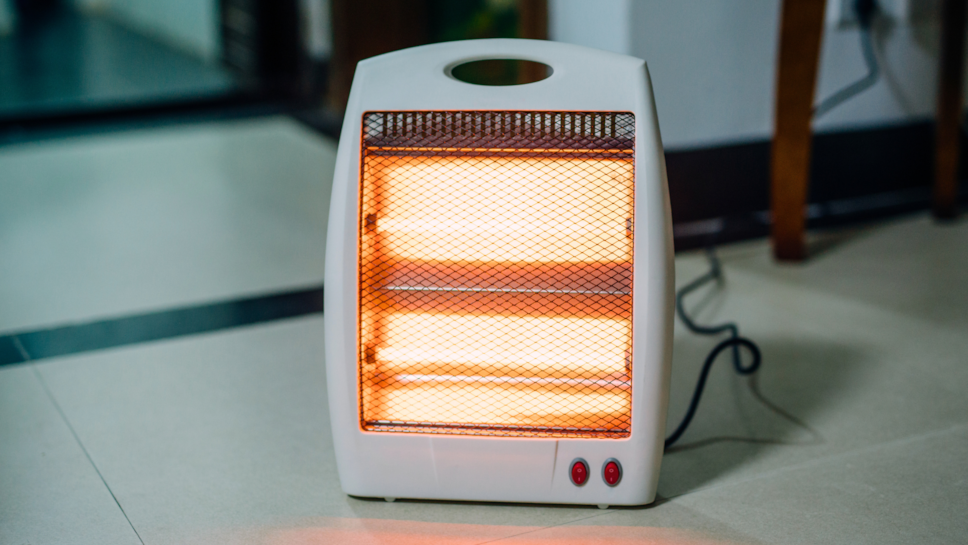
- 17% use a portable electric heater
- 16% wear heated clothing such as gloves or gilets
- 9% use a dehumidifier
While many of these options may feel cheaper than turning the heating on, Go.Compare warns that some can quietly rack up significant costs if used for long periods.
The true cost of popular heating alternatives
Based on average electricity prices and typical power usage, running these appliances for eight hours can cost:
- Portable electric heater: around £5.55
- Dehumidifier: around £1.11
- Electric blanket: around 34p***
This means using a portable electric heater overnight for a week could add nearly £40 to an energy bill, far more than many households expect.
Go.Compare advises that electric blankets remain one of the cheapest ways to keep warm, while portable heaters are among the most expensive, particularly when used regularly or to heat entire rooms.
Nathan Blackler, Go.Compare energy spokesperson, said: “With energy bills still front of mind, it’s understandable that so many people are turning to more low-cost options - like blankets, heated throws and plug-in heaters - instead of their central heating. The problem is that some of these options, particularly portable electric heaters, can be surprisingly expensive if used for long periods.
“It’s important to understand how much electricity each of your appliances uses. The cost can vary significantly based on the device and the individual model - and the higher the wattage, the more expensive it is to run. So, if you’re shopping around for a new electric blanket or heater, make sure you compare the technical details and opt for a more energy efficient option if possible.
“We also recommend using an energy monitor at home and checking it in real-time, as this will give you a more accurate view of your energy use and which appliances are costing the most.
Nathan added that out of contract customers should consider switching to a fixed deal now to avoid paying the highest prices on their heating appliances: “Opting for a fixed-rate energy tariff can also be a smart move if you’re looking for predictability in your bills and to avoid the highest prices. With a fixed deal, the rate you pay for gas, electricity, and your standing charge won't go up for the duration of your contract, even if the price cap increases. This makes it easier to budget without worrying about sudden price spikes.
“However, it’s not a one-size-fits-all solution. Fixed deals often come with higher exit fees, meaning that if you want to end your contract early you’ll have to pay a fee. Some fixed tariffs may also have higher rates than standard variable tariffs, particularly if energy prices fall during your contract, so you could end up paying more than those on a variable plan. If you’re someone whose energy needs could be set to change, then the limited flexibility once you’ve signed on to a fixed rate contract might not be right for you either.
“Whether you’re opting for a variable tariff or looking around for a fixed-rate deal, it’s worth considering your household circumstances and knowing your energy usage to enable you to compare deals properly. If you’re already on a fixed deal, check for any early exit fees before switching. Using a reliable comparison website can help weigh up the available options, spot any hidden costs, and find a tariff that best suits your needs.”
To learn more about the true cost of everyday appliances, use Go.Compare’s energy calculator:
https://www.gocompare.com/gas-and-electricity/guide/energy-calculator/
Contact Information
Rosie Johns
Notes to editors
*Based on the use of a portable electric heater, dehumidifier, and electric blanket for eight hours a day, seven days a week, over the course of a month.
Power consumption figures sourced from the Centre for Sustainable Energy.
Electricity cost based on an average unit price of £0.2769 per kWh and gas £0.0593 per kWh from 1 January 2026, as outlined by Ofgem.
Running cost estimates are based on typical appliance wattage figures from the Centre for Sustainable Energy, an assumed usage of eight hours, and the average electricity unit rate of £0.2769 per kWh under the Ofgem price cap from January 2026.
**The research was conducted by Censuswide among a sample of 2,001 UK nationally representative consumers aged 18+. Data was collected between 19.11.2025 and 21.11.2025.
***Power consumption figures sourced from the Centre for Sustainable Energy.
Electricity cost based on an average unit price of £0.2769 per kWh and gas £0.0593 per kWh from 1 January 2026, as outlined by Ofgem.
Running cost estimates are based on typical appliance wattage figures from the Centre for Sustainable Energy, an assumed usage of eight hours, and the average electricity unit rate of £0.2769 per kWh under the Ofgem price cap from January 2026.
For further information please contact:
About Go.Compare
Go.Compare is a comparison website that enables people to compare the costs and features of a wide variety of insurance policies, financial products and energy tariffs.
It does not charge people to use its services and does not accept advertising or sponsored listings, so all product comparisons are unbiased. Go.Compare makes its money through fees paid by the providers of products that appear on its various comparison services when a customer buys through the site.
When it launched in 2006, it was the first comparison site to focus on displaying policy details rather than just listing prices, with the aim of helping people to make better-informed decisions when buying their insurance. It is this approach to comparing products that secured the company an invitation to join the British Insurance Brokers’ Association (BIBA) in 2008, and it is still the only comparison site to be a member of this organisation.
Go.Compare has remained dedicated to helping people choose the most appropriate products rather than just the cheapest and works with Defaqto, the independent financial researcher, to integrate additional policy information into a number of its insurance comparison services. This allows people to compare up to an extra 30 features of cover.
Go.Compare is part of Future Plc and is authorised and regulated by the Financial Conduct Authority (FCA).
More information can be found here www.gocompare.com or here https://www.futureplc.com/brands/.