
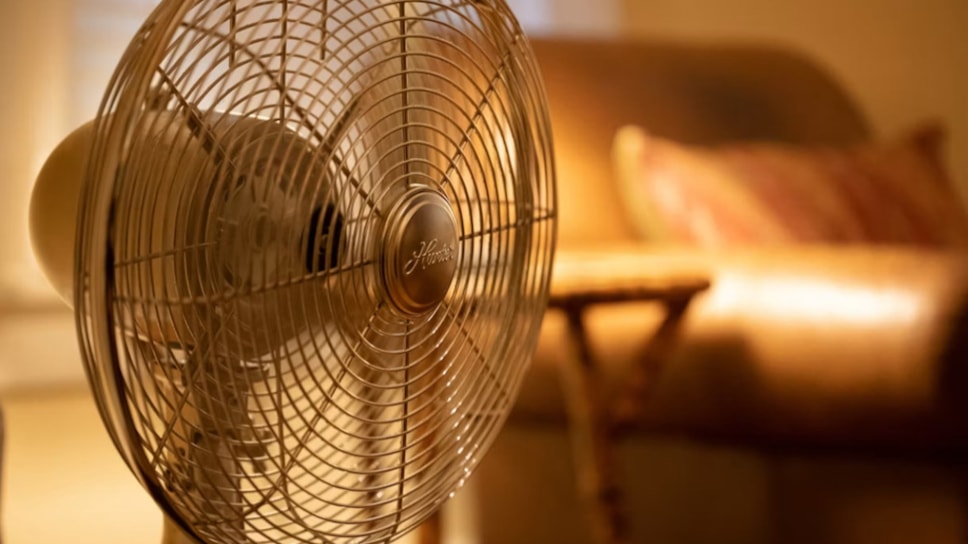
The TikTok heatwave hacks that could invalidate your home insurance
Millions of Brits are turning to TikTok for heatwave survival hacks this summer - and while most are harmless, a handful of the most popular ones could invalidate a home insurance claim without the homeowner ever realising it.
As hot weather returns to the UK this week, following a record-breaking 37.7°C on 26 June 2026 [1], the hunt for ways to stay cool has never been more urgent. Heatwave hacks are racking up hundreds of millions of views on TikTok: from ice bowls in front of fans to cheap portable air coolers left running overnight.
But while most of these hacks are safe, Go.Compare's home insurance expert Tamzin Metcalfe is warning that some of the most shared ones carry a genuine insurance risk that most people would never think to check:
“When the weather is truly unbearably hot, it’s completely understandable that people will try almost anything to cool down. But you have to use your head, be sensible, and not get taken in by viral trends. Even when the weather is scorching and the humidity feels stifling, you can’t afford to forget basic safety measures - and that includes checking whether a quick fix could completely invalidate your home insurance policy.”
Viral TikTok heatwave hacks and the insurance risks you should know
Here’s a breakdown of some of TikTok’s most popular heatwave hacks:
1. Leaving windows or doors open overnight for air flow
Oneof TikTok’s most common heatwave hacks, with hundreds of thousands of views, presents a genuine insurance risk. Leaving a window or door open overnight to help bring a breeze inside might help to keep your rooms cool, but if a burglar enters your property through an open door, any claim you try to make on your insurance will probably be rejected.
2. Cheap unbranded electrical coolers & DIYfans
TikTokShop has become a huge player in the e-commerce market, with over 1.5 million [2] British businesses using the platform. The platform has become a one stop shop for a range of items, including fans, many of which are budget and unbranded.
While there’s generally nothing wrong with using unbranded or DIY products, it can be difficult to confirm their quality and leaving them running for extended periods unattended can pose a fire risk. If a claim is made, insurers might dispute it due to appliance misuse or an uncertified product use.
3. Placing water near electrical appliances
Another common cooling hack with millions of views is putting a bowl or water, or even a wet cloth onto or in front of, a fan, to make the air it blows, colder. This is a serious health and safety issue. Should the water spill onto electrical components like plugs and sockets, it could cause electric shock, damage the appliance, or even short circuit and start an electrical fire.
4. Covering windows with foil
This heatwave hack appeals to many DIY doers and generates thousands of views. TikTokers can be seen laying kitchen foil across windows to block out the sun and keep rooms cool. What they don’t tell you is that if the foil is attached directly to the inside of windows, it can create thermal stress and result in cracked glass. Insurers could refuse to cover this damage if it’s considered preventable.
“When it’s baking outside and you're melting on the sofa, you’ll try just about anything to cool down - but you need to remember the golden rules of home safety. Never combine water with electronics, and be incredibly careful with cheap fans or coolers bought from unregistered online sellers, as they are a major hazard to run all night. Instead of putting foil on your windows and risking cracked glass, keep it simple. Just shut your blinds or curtains during the day to keep the heat at bay. There are plenty of safe, traditional ways to keep your house cool without risking your property or your insurance cover.” - Tamzin Metcalfe.
Contact Information
Sophie Shuliakovska
Notes to editors
1 – BBC
2 – TikTok Newsroom
About Go.Compare
Go.Compare is a comparison website that enables people to compare the costs and features of a wide variety of insurance policies, financial products and energy tariffs.
It does not charge people to use its services and does not accept advertising or sponsored listings, so all product comparisons are unbiased. Go.Compare makes its money through fees paid by the providers of products that appear on its various comparison services when a customer buys through the site.
When it launched in 2006, it was the first comparison site to focus on displaying policy details rather than just listing prices, with the aim of helping people to make better-informed decisions when buying their insurance. It is this approach to comparing products that secured the company an invitation to join the British Insurance Brokers’ Association (BIBA) in 2008, and it is still the only comparison site to be a member of this organisation.
Go.Compare has remained dedicated to helping people choose the most appropriate products rather than just the cheapest and works with Defaqto, the independent financial researcher, to integrate additional policy information into a number of its insurance comparison services. This allows people to compare up to an extra 30 features of cover.
Go.Compare is part of Future Plc and is authorised and regulated by the Financial Conduct Authority (FCA).
More information can be found here www.gocompare.com or here https://www.futureplc.com/brands/