
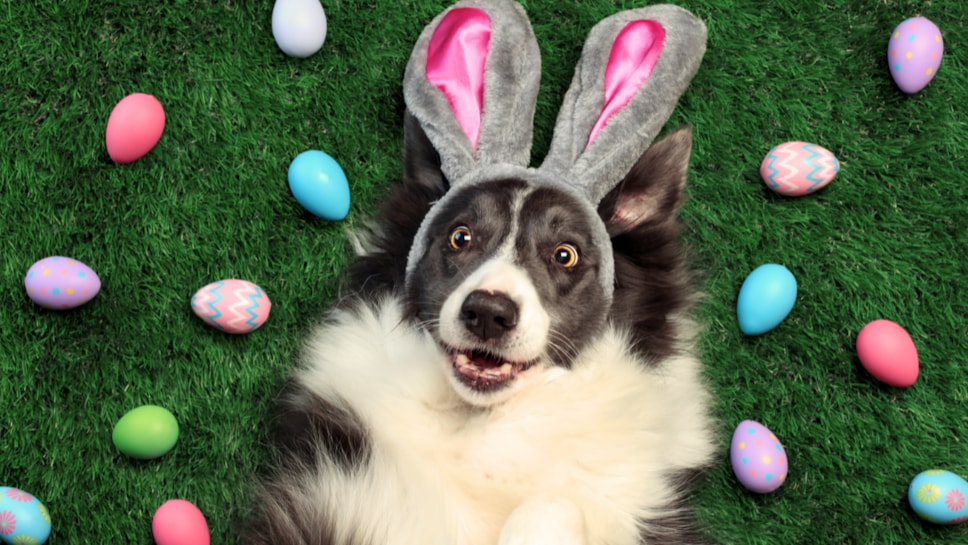
Pet experts issue Easter warning as one in seven dog owners admit to feeding dogs chocolate
- The majority admit to doing so intentionally
- Over half of cat owners aged 25–34-year-olds have fed a toxic food to their cat
- Meanwhile, only 7% of cat owners aged over 55 have done so
With Easter Sunday fast approaching and chocolate eggs in home across the UK, the experts at Go.Compare pet insurance are issuing an urgent warning for pet owners to keep their Easter chocolate far away from any pets. This comes as new research from the comparison site reveals that one in seven dog owners (14%) have fed their dogs chocolate, and shockingly, nearly two thirds of these (61%) said they did it intentionally.*
Cat owners are just as guilty of making this flub as 11% admit to having fed chocolate to their cats, and a whopping 72% of these respondents said the illicit ‘treats’ were intentional.*
Rhys Jones, Go.Compare pet insurance spokesperson, warned: “Chocolate is highly dangerous to both dogs and cats, and you should take every precaution to make sure it stays out of their reach.
“A small amount of chocolate may seem harmless, but even small quantities could have devastating effects on your pets. Chocolate contains theobromine and caffeine, which cats and dogs can’t break down efficiently. When ingested, they can wreak havoc: causing vomiting, diarrhoea, heart issues, seizures, and even death.
“There are lots of pet-safe treats you can give your four-legged friends instead, from apple and carrot slices to commercial pet treats. And if your pet accidentally eats something they shouldn’t, take them straight to the vets. The earlier you do so, the better, as vets can often give your pets medication to expel the toxic food before it has a major effect.”
The research also revealed a number of other foods that are toxic to cats and dogs, that pet owners are feeding them despite the risks:
|
Food |
% who have fed this to their dog |
% who have fed this to their cat |
|
Cooked bones |
24% |
13% |
|
Chocolate |
14% |
11% |
|
Grapes |
9% |
7% |
|
Avocado |
6% |
7% |
|
Raisins |
5% |
5% |
|
Onions |
4% |
3% |
|
Garlic |
4% |
3% |
|
Macadamia nuts |
4% |
4% |
|
Artificial sweeteners (xylitol) |
3% |
3% |
|
Alcohol |
3% |
3% |
|
Chewing gum |
3% |
4% |
|
Chives |
3% |
3% |
|
Caffeine |
2% |
2% |
Rhys cautioned, “Many common foods like grapes, raisins and avocado can be really dangerous for your pets. It’s important to make sure you are only giving them pet-safe food, and if you are ever unsure, ask your vet.”
Wisdom may seem to come with age, as the data shows just 7% of cat owners aged over-55s fed their cats one of the toxic foods above – compared to well over half (58%) of cat owners aged 25-34.
Rhys advises: “It’s always a good idea to do your research when it comes to feeding and properly taking care of your pet. However, accidents do happen, so we also always advise pet owners to make sure they have a suitable pet insurance policy in place. Comprehensive cover will protect you not just against illnesses, but accidents too, and help make sure your pet receives speedy treatment if they need it.”
For more information on how to choose the right pet insurance, visit: https://www.gocompare.com/pet-insurance/buying-tips/.
Contact Information
Rubie Barker
Notes to editors
*The research was conducted by Censuswide, among a sample of 2,000 UK Nationally Representative Consumers aged 18+. The data was collected between 11.03.2026 - 13.03.2026. Censuswide abides by and employs members of the Market Research Society and follows the MRS code of conduct and ESOMAR principles. Censuswide is also a member of the British Polling Council.
For further information please contact:
Go.Compare@fdcomms.co.uk
Keep up-to-date with GoCompare on Twitter; @GoCompare
About Go.Compare
Go.Compare is a comparison website that enables people to compare the costs and features of a wide variety of insurance policies, financial products and energy tariffs.
It does not charge people to use its services and does not accept advertising or sponsored listings, so all product comparisons are unbiased. Go.Compare makes its money through fees paid by the providers of products that appear on its various comparison services when a customer buys through the site.
When it launched in 2006, it was the first comparison site to focus on displaying policy details rather than just listing prices, with the aim of helping people to make better-informed decisions when buying their insurance. It is this approach to comparing products that secured the company an invitation to join the British Insurance Brokers’ Association (BIBA) in 2008, and it is still the only comparison site to be a member of this organisation.
Go.Compare has remained dedicated to helping people choose the most appropriate products rather than just the cheapest and works with Defaqto, the independent financial researcher, to integrate additional policy information into a number of its insurance comparison services. This allows people to compare up to an extra 30 features of cover.
Go.Compare is part of Future Plc and is authorised and regulated by the Financial Conduct Authority (FCA).
More information can be found here www.gocompare.com or here https://www.futureplc.com/brands/.