
Hidden costs of Oxford Street going car-free: five things drivers need to check
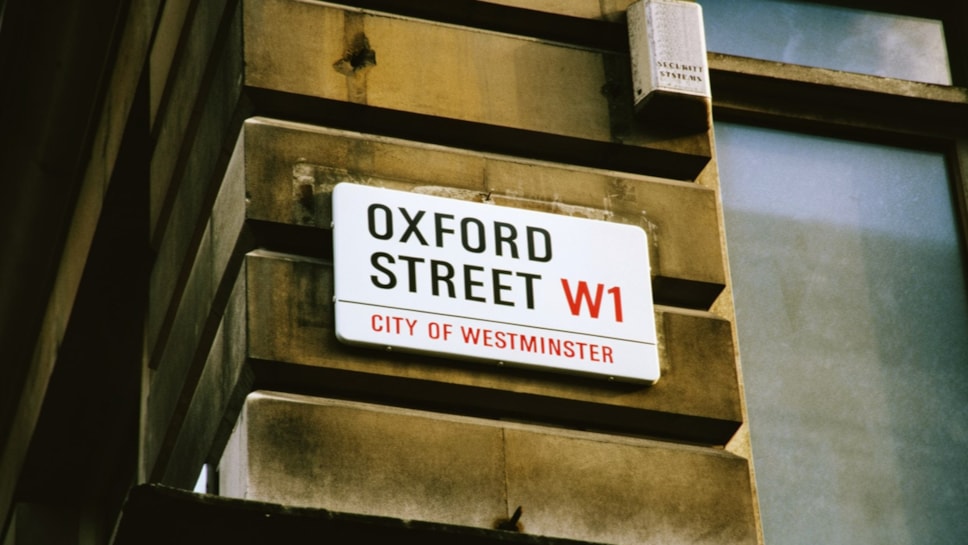
Oxford Street is set to go traffic-free before the end of September, ending years of debate over the future of one of London's busiest shopping streets. While nearly two-thirds (63%) of Londoners support pedestrianising the road, according to YouGov [1], the changes will also mean thousands of drivers need to rethink their regular routes.
Go.Compare's motor insurance specialist Steve Ramsey is urging motorists to consider the less obvious consequences before the changes come into effect.
Five things to check before Oxford Street goes car-free
1. Your Sat Nav is about to change your route - and that matters for your insurance
Most drivers don’t realise that regularly using new routes, particularly through busy residential streets, can impact their risk profile. Likewise, drivers with ‘black-box’ telematics insurance should remember that their journeys are monitored automatically.
But according to Steve, a changing route isn’t usually a reason to update your policy. In reality, the key factor is whether route diversions will increase your annual mileage above the figure stated in your policy.
“If it looks like you're going to drive significantly more miles than you stated at policy inception, then you should inform your insurer.”
2. Delivery drivers and van drivers face major disruption
Servicing vehicles will only have access to Oxford Street between midnight and 7am. This could create a significant operational challenge, as rerouted delivery drivers and couriers will cover more miles, and face longer journeys with more congestion at concentrated hours. Mileage-based van insurance policies could also be impacted as restrictions push traffic onto surrounding roads.
Steve continues: “Commercial motorists should monitor whether route diversions could result in a higher annual mileage than originally declared."
3. Taxi and private hire drivers need to check their business cover
Trips for taxis and private hire vehicles (PHV) that previously used Oxford Street as a key through-route will become longer and more congested as they’re rerouted to adjacent streets.
Business insurance policies for taxi and PHV drivers are often mileage-sensitive. As these diversions become part of their everyday route, drivers might find annual mileage creeping up.
"The Oxford Street closure is likely to have the greatest impact on professional drivers who need to navigate diversions several times a day rather than once or twice a week. It’s worth checking to see how this could impact your policy."
4. Driving challenges beyond the pedestrian zone
Oxford Street attracts more than half a million visitors [2] every day. Once the pedestrianisation spreads visitors across surrounding streets and traffic increases outside the car-free zone, drivers may be met with more challenging driving conditions.
“Drivers should take extra care when navigating roads around Oxford Street following the closure. While pedestrianisation plans won’t directly impact your car insurance, making sure you have comprehensive cover can offer peace of mind in busy, urban environments.”
5. The congestion charge and ULEZ implications
For London motorists avoiding the Oxford Street car-free zone, the financial impact might be more than mileage and fuel costs alone. Drivers forced onto less familiar roads could find themselves travelling through congestion charge or ULEZ zones they wouldn't normally enter.
“Drivers who regularly travel through the West End of London could find themselves relying on alternative routes, making journeys longer, more congested, and potentially more expensive than they’re used to. It’s worth planning ahead and understanding any charges that could apply to your commute.”
Check your cover and avoid unwanted surprises
According to Steve, “Oxford Street shifting to a car-free shopping zone is one of the biggest changes to London’s road network in recent years. Drivers don’t need to tell their insurer if their daily route changes, but they shouldn’t assume nothing else changes, either.”
“Take a moment to check for increases in your mileage, anticipate any new charges, and to review your level of cover. The easiest way to work out your annual mileage is to look at your last two MOT certificates. The difference tells you how many miles you drove in the last year.”
Find the right cover for your needs and compare car insurance deals with Go.Compare.
Contact Information
Sophie Shuliakovska
Notes to editors
[1] https://yougov.com/en-gb/articles/50668-londoners-back-pedestrianising-oxford-street
Steve Ramsey is the Managing Editor for motoring insurance products at Go.Compare, with more than 20 years' experience working across the insurance sector. His expertise spans car, van, and motorbike insurance, built through roles at major multinationals and smaller friendly societies.
About Go.Compare
Go.Compare is a comparison website that enables people to compare the costs and features of a wide variety of insurance policies, financial products and energy tariffs.
It does not charge people to use its services and does not accept advertising or sponsored listings, so all product comparisons are unbiased. Go.Compare makes its money through fees paid by the providers of products that appear on its various comparison services when a customer buys through the site.
When it launched in 2006, it was the first comparison site to focus on displaying policy details rather than just listing prices, with the aim of helping people to make better-informed decisions when buying their insurance. It is this approach to comparing products that secured the company an invitation to join the British Insurance Brokers’ Association (BIBA) in 2008, and it is still the only comparison site to be a member of this organisation.
Go.Compare has remained dedicated to helping people choose the most appropriate products rather than just the cheapest and works with Defaqto, the independent financial researcher, to integrate additional policy information into a number of its insurance comparison services. This allows people to compare up to an extra 30 features of cover.
Go.Compare is part of Future Plc and is authorised and regulated by the Financial Conduct Authority (FCA).
More information can be found here www.gocompare.com or here https://www.futureplc.com/brands/