
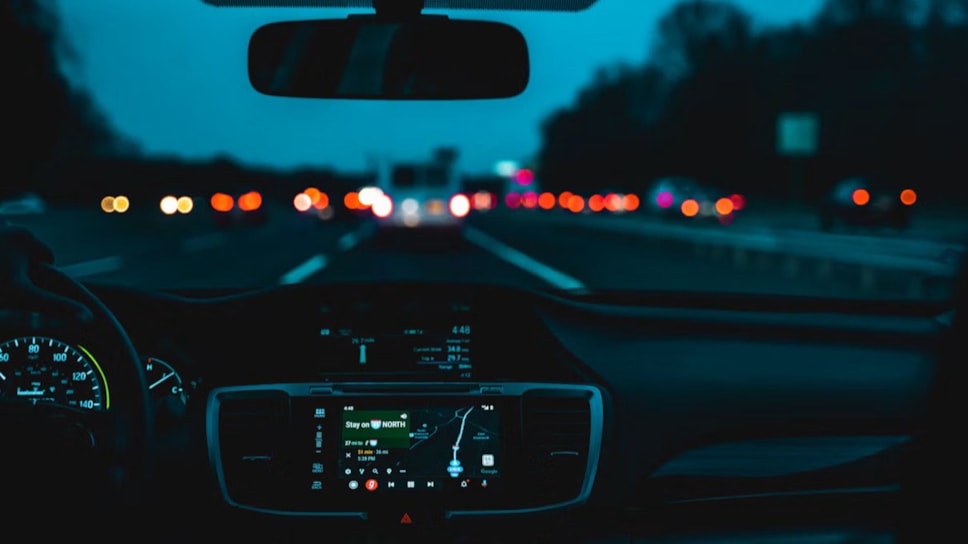
Driving in the dark: the conditions that increase insurance risk in the autum
With the clocks set to change at the end of this month, drivers’ worries around driving in darker conditions are rising. Go.Compare research shows that searches for ‘driving in the dark’ have spiked 650%1 compared to this time last year. But what should drivers be looking out for as the seasons change – and how could autumn weather impact their insurance?
Autumn weather, with darker evenings, increased rain and high winds, can make driving more challenging. After one of the hottest summers on record2, the return to wet, dark roads can be an unwelcome seasonal change.
Steve Ramsey, Motor Expert at Go.Compare, shares what drivers should consider – from staying safe to checking what their insurance covers:
“With more wet and windy weather heading our way over the coming months, road accidents caused by skidding, aquaplaning or poor visibility become more likely. While standard car insurance covers you for driving in any type of weather, exceptions do exist. For example, if you’re believed to have been driving recklessly, like driving through floodwater, or attempting to navigate a closed road, your claim may not be accepted.”
Autumn driving conditions: What to look out for
Autumn weather and its variable conditions can have a big impact on road safety. Here are four things that drivers should be especially aware of this season and how to handle them:
1. Gusty wind
Keep both hands on the wheel and leave extra space between you and high-sided vehicles, trees and exposed roads. In very windy weather, your vehicle can be affected by turbulence created from large lorries.
2. Wet weather
The Highway Code advises that stopping distances can at least double in wet conditions3, as tyres have less grip on the road surface. Make sure to keep well back from the car in front of you and take extra care around vulnerable road users – like pedestrians, cyclists and horse riders.
3. Dazzle from oncoming vehicles
Headlights from oncoming vehicles can be distracting during conditions of reduced visibility, so it’s important to keep your windscreen clean to reduce glare. If you’re affected by oncoming headlights, slow down and look towards the left-hand road edge. If your vision is still impaired, stop somewhere safe until conditions improve.
4. Driving at night
In the autumn months, many drivers may find themselves driving to and from work in the dark. Habits like slowing down, managing your fatigue levels, dipping your beams early, and keeping your windscreen clean can make night driving safer.
5. Check your insurance
Steve concludes: “Ahead of the change in seasons, check your insurance policy to see whether there are any adverse weather exceptions. Comprehensive cover usually extends to storm damage and flooding, but third-party fire-and-theft might not – unless there are specific circumstances – like your car being hit by lightning.”
“Your insurer also requires you to keep up with regular car maintenance. In the autumn months, checking your lights and tyre pressure can be even more important to your safety – and neglecting basic maintenance could be grounds for a rejected claim.”
Compare car insurance policies with Go.Compare and check your cover before the weather changes.